
If you’ve ever thought,
“Walking doesn’t really count as exercise…”
I’d love to change your mind.
Walking is one of the most researched forms of physical activity available. It is:
- free
- accessible
- low-impact
- incredibly effective for supporting your heart, muscles, metabolism, bones, brain, and overall health.
Walking Works More Muscles Than You Might Think
Every step activates muscles throughout your body.
Lower body: gluteus maximus, medius & minimus (your hips and butt); quads (front of thighs); hamstrings (back of thighs); calves, hip flexors, and tibialis anterior (front of the shin).
Core: Deep abdominal muscles, obliques (sides of abdomen), lower back muscles, pelvic stabilizers
Upper body: as you naturally swing your arms, you also activate shoulders, upper back and lightly the biceps & triceps (front and back of upper arms)
Your Heart Loves Walking, Too
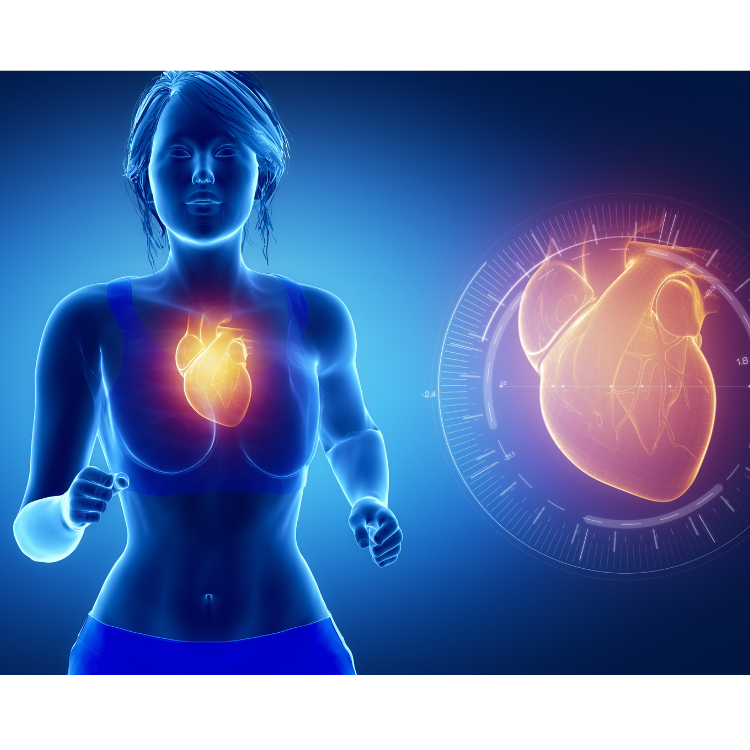
Walking is one of the best ways to improve cardiovascular health. It can help lower blood pressure, improve cholesterol levels, improve circulation, reduce inflammation, improve blood vessel function, increase your aerobic fitness. All of these benefits lower your risk of heart disease! (Midlife women are more susceptible to heart disease largely due to declining estrogen.)
There’s more! Walking Helps Blood Sugar
One of my favorite wellness habits is a short walk after eating. Even a 10-minute walk after a meal helps your muscles use glucose more efficiently. This helps reduce post-meal blood sugar spikes, improves insulin sensitivity and steady energy, and reduces that sluggish feeling after eating.
You don’t have to walk fast after a meal. A comfortable, purposeful pace is enough to make a difference.
How Fast Should You Walk for Fitness?
A good guideline is the “talk test.” Aim for a pace where you can carry on a conversation but in short sentences; singing would be difficult. This is considered moderate-intensity exercise for most people. Smart watches are another great way to gage your heart rate.
How Much Walking is Enough?
The American College of Sports Medicine recommends adults accumulate at least 150-300 minutes of moderate-intensity aerobic activity each weak, combined with at least two weekly sessions of resistance training (muscle strengthening).
This can look like:
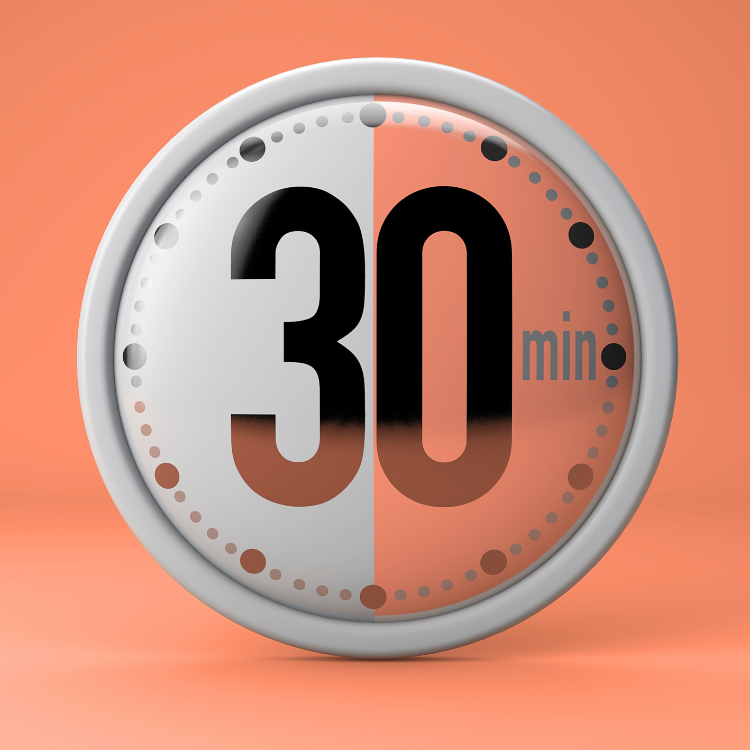
- 30 minutes, 5 days a week OR
- three 10-minute walks each day OR
- a combination that fits your life
Note: We also need:
- Resistance training > 2 days per week (I’ll share more about this next time!)
- Flexibility & Functional Training > 2 days per week (more on these soon!)
Consider a Walking Pad
On days when the weather doesn’t cooperate—or life simply keeps you indoors—a walking pad can be a wonderful alternative. These compact treadmills make it easy to fit in a walk while listening to a podcast, watching TV, or catching up on emails. Many models are slim enough to slide under a couch or bed when you’re finished, making them a practical option even for small spaces. Remember, consistency matters more than perfection, and having an indoor option can help you keep moving all year long.
The Bottom Line
Walking isn’t “just walking.”
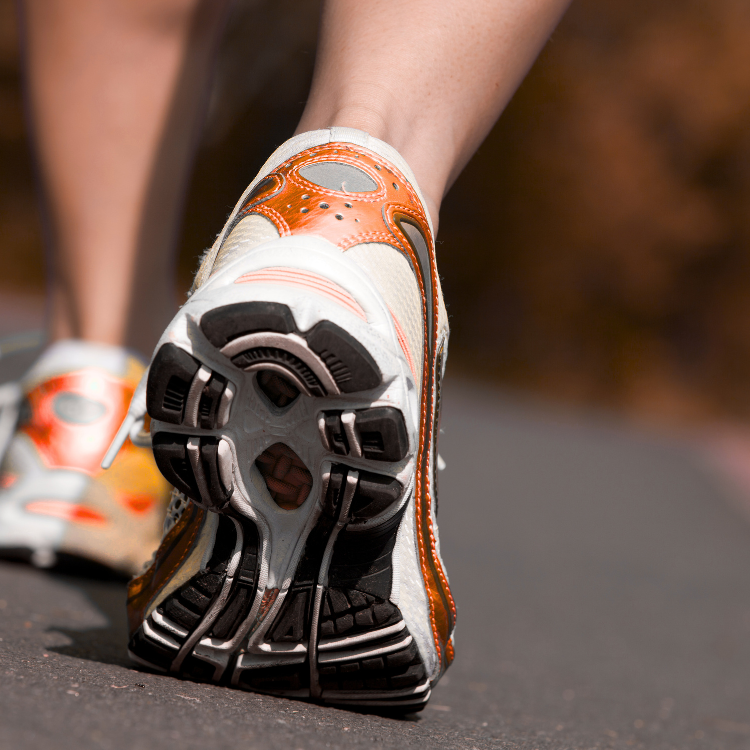
It’s a very effective way to improve cardiovascular health, strengthen your muscles, support healthy blood sugar, reduce stress, improve mood, and maintain mobility as you age. So, lace up some (supportive) sneakers and take the your steps!
Small, consistent shifts = BIG results
In Health,
Peggy Kelly